



Rakiety tenisowe Warszawa

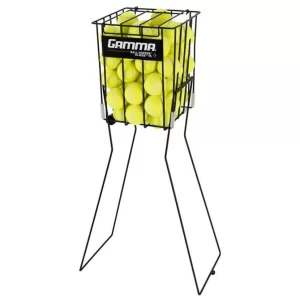
- or storing balls
- for increasing training intensity
- for repetition exercises
- for trainers and instructors
- players and amateurs
Light and solid construction ensures comfortable use. Brakes for two wheels help to transport the
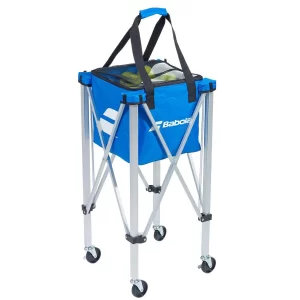
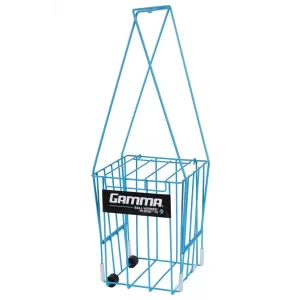
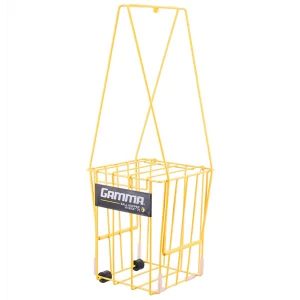
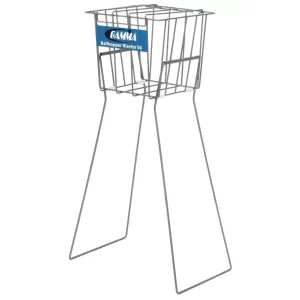
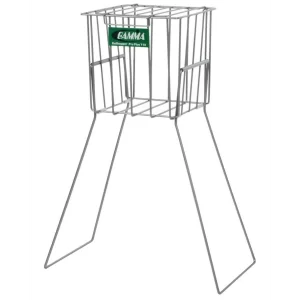
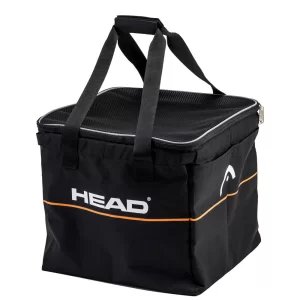
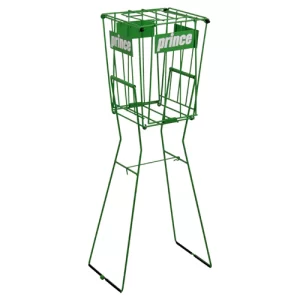
Kosz nie zawiera piłek w cenie.
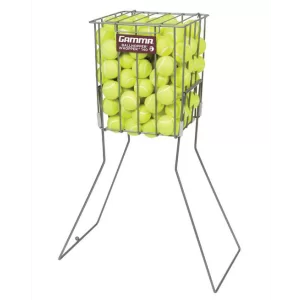
Kosz nie zawiera piłek.
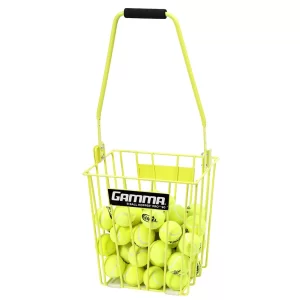
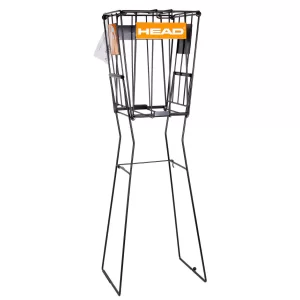
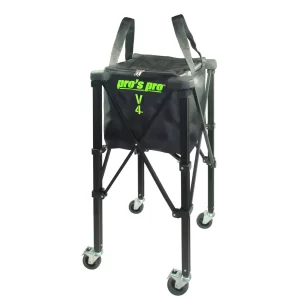
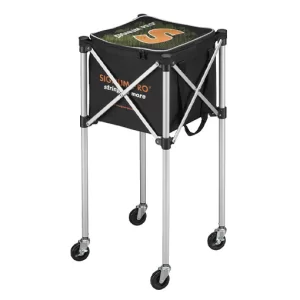
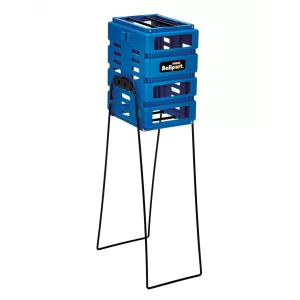
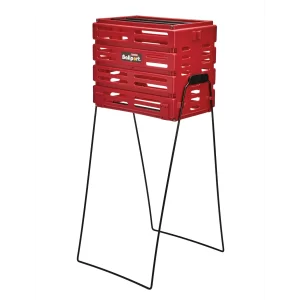
Kosz wyposażony w kółeczka.
Składany, profesjonalny wózek trenerski na 120 piłek tenisowych.
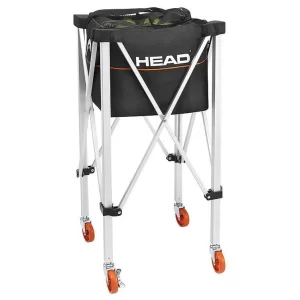
Stiffened bottom. a closed mesh flap prevents the balls from falling out.
Balls not
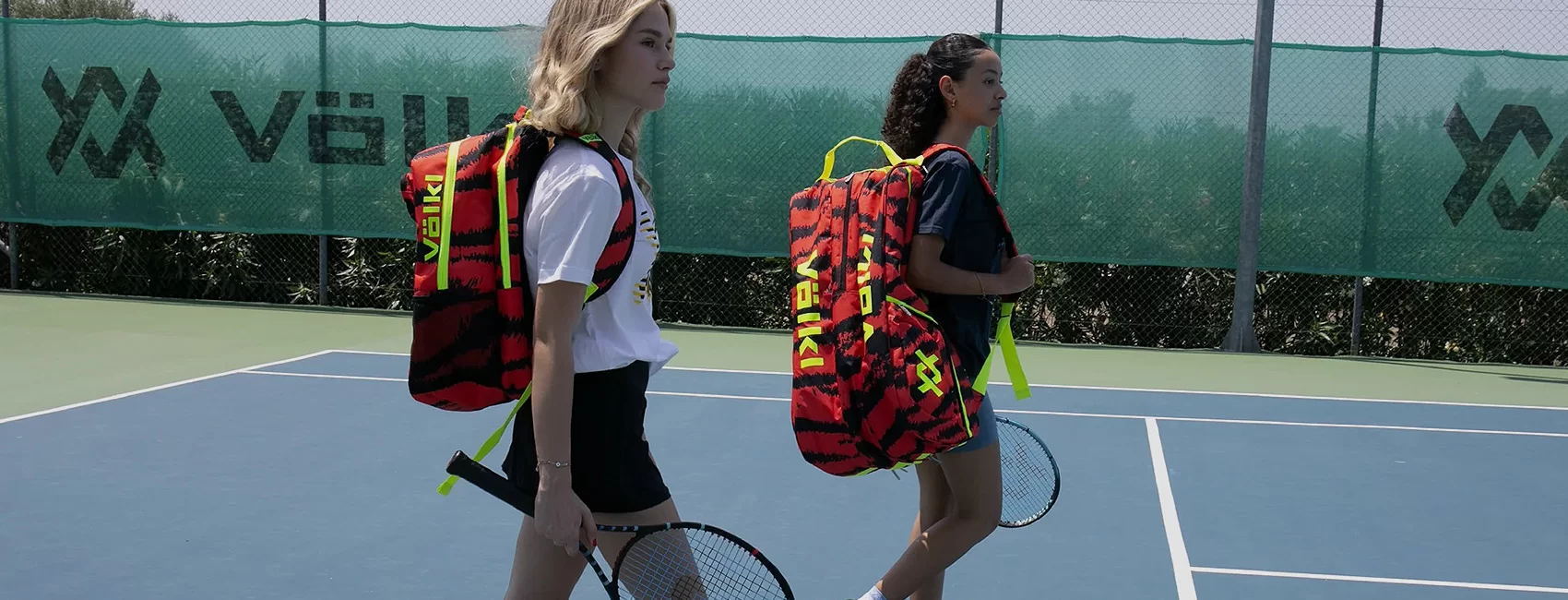
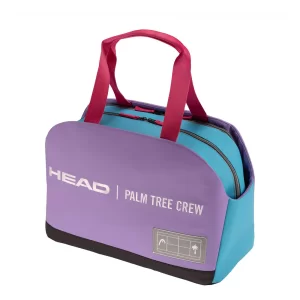

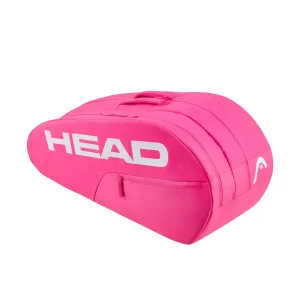
A large zippered pocket on the front of the backpack holds all your essentials, as well as two smaller
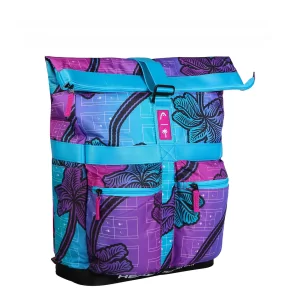
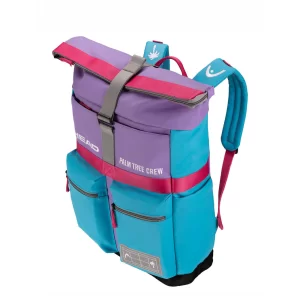
A large zippered pocket on the front of the backpack holds all your essentials, as well as two
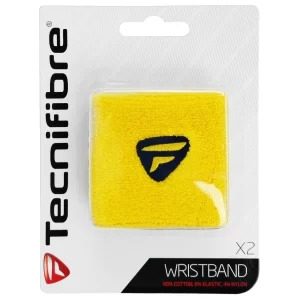
Frotki przeciwpotne na nadgarstek. Logo firmy wyszywane w kolorze czarnym. Wysoka jakość i doskonała absorpcja potu.
Opakowanie zawiera 2



Light rackets feel comfortable in the hand and are very maneuverable. The downside is less control and stability, especially on off-center hits.
To compensate for the lack of power of such a racket, manufacturers place the center of gravity (balance point) closer to the head. This solution allows for strong enough hits. A light racket requires a firmer grip and additional energy in the swing if you want to send the ball at a high speed.
On the other hand, heavy rackets have more impact power and generate less vibration. They have a slightly larger sweet spot, and with the right technique, playing requires less force. The heavier the racket, the more balanced towards the handle, allowing for better ball control.
Balance Point in Tennis Rackets
The balance point is closely related to the weight of the racket. The lighter the tennis racket, the more balanced towards the head. On the other hand, heavy rackets have their balance point closer to the handle.
Rackets with the center of gravity closer to the head offer more power. To increase their maneuverability, manufacturers reduce the overall mass of the racket.
A balance point directed towards the handle allows for more control. Such rackets are often chosen by people who like to play at the net, as they need a responsive and stable racket. The most suitable choice for versatile and complete tennis players, controlling exchanges from the baseline, are evenly balanced rackets.
What do professional players choose?
Professional players usually customize their rackets throughout the length or slightly towards the head to compensate for the factory balance towards the handle. Stringing (the weight of each string is approximately 15 - 20g) significantly changes the balance of the racket. The balance point provided in the racket specifications usually does not include the stringing weight.
Tennis Racket Head Size
The size of the racket head affects: ball acceleration, control, and playing comfort.
Oversize Tennis Rackets
Oversize rackets (above 660 cm2) are slightly more sensitive to air resistance but have a large sweet spot (optimal spot on the strings to hit the ball) and offer high comfort by giving the ball more energy.
Mid and Mid-Plus Tennis Rackets
Rackets with smaller heads (mid and midplus 580-660cm2) increase precision and "feel" of the ball. The choice of a specific head size depends on the player's preference. Beginners and intermediate players usually choose a larger head, while advanced players go for a smaller one.
Number of Strings in a Racket, Is It Important?
A parameter often overlooked by recreational players and others is the string density in a racket. It affects the overall racket performance (dynamics and feel) and playing style (spin or flat shots).
Rackets with Fewer Strings - Pros and Cons
Fewer strings allow for quick shots with little force and enable imparting more spin on the ball because the strings "bite" into the ball more and increase the rebound force compared to a similar racket with the same string tension. However, the trade-off for such capabilities is string shifting and much faster wear, leading to inevitable breakage.
To improve durability, thicker strings are recommended.
Rackets with More Strings
On the other hand, a dense string pattern means that the strings do not deform as much upon impact, resulting in less energy transfer to the ball. Players seeking more control generally opt for rackets with more strings. More strings mean greater string durability.
Frame Profile or Racket Thickness
Below, we have divided rackets into 4 frame thickness variants.
Rackets with Frame Thickness Below 22mm
Rackets with a "thin" frame (below 22mm) provide very good control. Such rackets are popular among advanced and tournament players. They usually weigh over 280g, and the head size does not exceed 645 cm2.
Rackets with Frame Thickness Between 22mm and 25mm (Average)
Rackets with an "average" frame thickness (22 - 25 mm) are chosen by the widest group of tennis players due to their versatility. They combine main properties and are suitable for hits from any point on the court.
Rackets with Frame Thickness Above 25mm
Frames (above 25 mm) are slightly stiffer. They provide the ball with a lot of initial energy and less so-called ball feel. They are recommended mainly for older individuals, those with a short swing, or occasional players. They always come with large heads.
Rackets with Variable Frame Thickness
Due to manufacturers seeking new design solutions to combine crucial parameters like control, power, aerodynamics, maneuverability, and comfort, a significant portion of currently offered rackets have variable frame thickness.
Tennis Racket Grip Size
The variety of grips in today's tennis means that finding the ideal grip size (circumference) is key when choosing the right racket.
How to Choose the Right Grip for Yourself?
Theoretically, the correct grip is when the index finger of the other hand fits between the base of the thumb and the tip of the longest finger of the hand holding the racket.
Practical Grip Fitting
In practice, achieving the best feel of the grip for various shots is important. People using overgrips should remember that each grip, depending on its thickness, increases the grip size by about half a size. Rackets from different brands may vary slightly in grip circumference and shape.
What to Consider When Choosing the Right Grip?
When choosing a grip, consider size, finger length, and hand thickness. Height is not essential - it happens that short people have very long fingers. This applies to both women and men.
Adult tennis rackets provide a size designation ranging from 0 to 5 (next to the letter L or G) and grip circumference measured in inches from 4 to 4 5/8:
- G0 - 4 inches,
- G1 - 4 1/8 inch,
- G2 - 4 1/4 inch,
- G3 - 4 3/8 inch,
- G4 - 4 1/2 inch,
- G5 - 4 5/8 inch.
In the specifications of rackets offered in our store, a numbering from 0 to 5 is provided. The most popular grip sizes are 2 and 3.
Generally, small individuals and youth should choose grips 0, 1, and 2. For average hand sizes, a size 3 grip will be ideal. Grips 4 and 5 are usually for taller individuals with long fingers and slender hands.
Tennis Racket Frame Stiffness
Racket stiffness is the degree of frame deformation upon ball impact. We have divided rackets into 3 groups based on their flexibility:
- Soft frames up to 59 (less forearm vibrations, less power, good control)
- Medium frames 60-69 (balance of comfort, dynamics, and control)
- Stiff frames above 70 (more power)
Choosing the right string tension can greatly improve your game.
So let's start with the theory and answer the question "What does a lighter or heavier racket string tension provide?"
- Lower string tension provides more power
- Higher string tension allows for more controlled shots
This general rule assumes a certain level of player skill in relation to control. A beginner will need more precision, therefore a firmer tension may not be the optimal solution. Such a player would benefit from a softer and more forgiving tension due to frequent off-center hits.
High-level players who strike dynamically often seek maximum control and opt for a higher string tension.
There are always exceptions, but these generalizations apply to the majority of players.
Recommended String Tension
Tennis rackets come with a recommended string tension range. This range is determined by the manufacturer based on the racket's design and testing by "real" tennis players.
If a player does not have a specific need, such as more power, they should start by choosing a value within the average range and make further adjustments from there if needed.
Visit our racket service
We offer tennis racket stringing services at ul. Myśliwiecka 4A in Warsaw. We can string rackets on the spot or at a scheduled date and time.
Professional tennis racket service, call 22 6212750.
We are available from Monday to Friday from 10:00 to 18:00 and on Saturdays from 10:00 to 15:00 - feel free to visit.
We are always happy to provide advice for the most effective game.
More information about our service offerings and racket tuning can be found here.
Contact Information:
Protenis
ul. Myśliwiecka 4a
00-459 Warsaw
tel. 22 6212750
If you are asking yourself "which string to choose?".., that's good, because usually much less (if at all) attention is paid to choosing a tennis string than to choosing a racket - unfairly. Referred to as the soul of the racket, a properly chosen string can highlight its strengths and enhance the advantages in the game of its user. Conversely, a poorly chosen string can lead to the opposite situation.
Due to the multitude of materials from which strings are made, which are constantly increasing, the most common criterion for dividing strings is their construction.
The wide selection of strings available in tennis shops can be overwhelming, as the more options there are, the more questions arise: which one is better, how to choose, what are the types of strings, and how do they differ? Or how do they work? We have decided to address your questions and regularly provide answers in our knowledge zone.
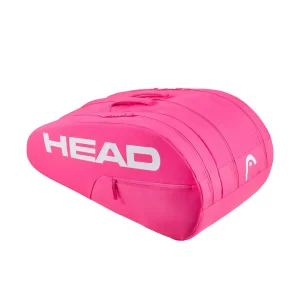
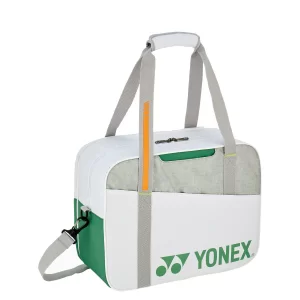
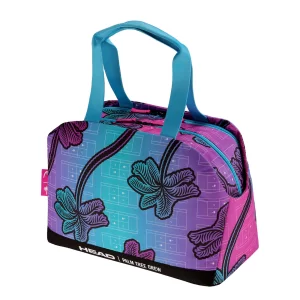
The bag features comfortable handles for carrying in your hand or over your shoulder, as well as a